Quick oven cleaning Bromley South station area
If your oven has gone from "used most days" to "how did it get this bad?", you are not alone. In busy homes near Bromley South station, the oven tends to pick up grease, burnt-on crumbs, stubborn splash marks and that faint smoky smell that seems to linger no matter how many windows you open. Quick oven cleaning Bromley South station area services are designed for exactly that moment: when you want the job done properly, without turning your whole weekend upside down.
This guide explains what quick oven cleaning actually involves, why it matters, how the process works, and what to look for if you want a reliable local service. It also covers mistakes to avoid, practical checklists, and the standards that sensible cleaners follow in the UK. Straightforward, useful, no drama.
Table of Contents
- Why Quick oven cleaning Bromley South station area Matters
- How Quick oven cleaning Bromley South station area Works
- Key Benefits and Practical Advantages
- Who This Is For and When It Makes Sense
- Step-by-Step Guidance
- Expert Tips for Better Results
- Common Mistakes to Avoid
- Tools, Resources and Recommendations
- Law, Compliance, Standards, or Best Practice
- Options, Methods, or Comparison Table
- Case Study or Real-World Example
- Practical Checklist
- Conclusion
- Frequently Asked Questions
Why Quick oven cleaning Bromley South station area Matters
An oven is one of those appliances you stop noticing until it starts making itself known. A bit of grease on the door. A smell when the grill switches on. Smoke from old spills heating up again. In a compact kitchen, especially in flats or shared homes around Bromley South station, that build-up can affect the whole room quickly.
Quick oven cleaning matters because it does more than improve appearances. It can help reduce smoke, remove stubborn burnt residue, improve the way the appliance heats, and make everyday cooking a lot more pleasant. To be fair, nobody wants roast potatoes tasting faintly of last month's lasagne.
There is also a practical side. A cleaner oven is easier to inspect, easier to maintain, and less likely to leave you with bigger problems later. Small spills that sit for months can harden into unpleasant, time-consuming jobs. The quick clean approach is about staying ahead of that point rather than waiting until the oven looks genuinely tragic.
For landlords, tenants, busy families, and local businesses that use kitchen equipment regularly, speed matters too. You need the appliance back in use with minimal disruption. That is exactly why a fast, organised clean can be more valuable than an occasional heroic scrub that leaves your arms aching for two days.
How Quick oven cleaning Bromley South station area Works
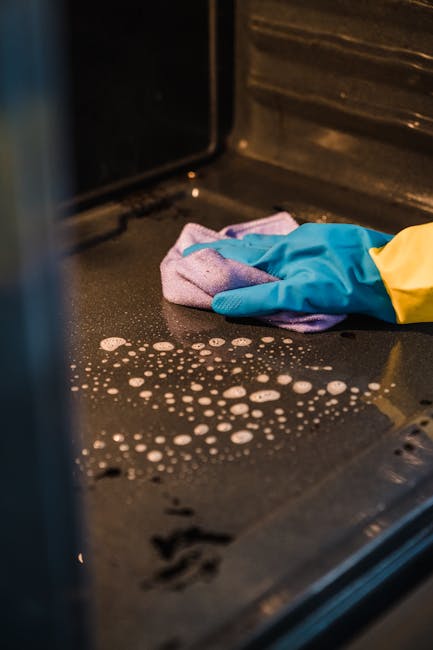
Quick oven cleaning is still a proper deep clean, just delivered efficiently. The aim is to remove grease, carbon deposits, baked-on food, and grime from the main internal surfaces, racks, trays, doors, and accessible parts around the oven.
The cleaner usually starts by identifying the oven type and level of soil. A fan oven with light everyday grease is a very different job from an older appliance with weeks of built-up residue. This first look matters because it shapes the method, the products used, and the time needed. A good cleaner does not just dive in and hope for the best. That would be messy in the literal sense.
In practical terms, the process often includes:
- checking the oven is cool and safe to work on
- removing loose racks, trays, and other detachable parts
- applying suitable cleaning products to break down grease
- working on the interior cavity, glass, seals, and doors
- cleaning and polishing removable components separately
- wiping away residue and testing the finish
Some jobs are faster because the oven has been looked after reasonably well. Others take longer because there is a long history of splatter, over-browning, or a few too many "I'll clean it next week" moments. Happens to the best of us.
If you are booking a broader home clean alongside the oven, it can make sense to pair the task with deep cleaning or one-off cleaning so the whole kitchen feels refreshed rather than only one appliance being pristine while everything else still needs attention.
Key Benefits and Practical Advantages
The main benefit is obvious: the oven looks and smells better. But the real value goes a bit deeper than that.
1. Faster cooking confidence
When the oven is clean, you can see what is happening inside. That sounds minor until you are trying to judge whether a casserole is browning properly or whether the fan is circulating heat evenly.
2. Less lingering smoke and odour
Old grease burns off when the oven heats up, which can create smoke, a stale smell, or both. A quick oven clean helps reduce that unpleasant first burst when you turn the oven on.
3. Better presentation for rentals and handovers
If you are moving out, preparing a property for new tenants, or resetting a short-let kitchen, the oven is one of the first things people notice. It is the sort of detail that says, quietly, "this place has been cared for."
4. Less scrubbing later
Regular quick cleans are easier to maintain than a single marathon attempt every six months. The grime never gets the chance to become a battle. And honestly, nobody needs a battle with the grill pan on a Tuesday evening.
5. Peace of mind around hygiene
Food splashes, grease, and crumbs can attract pests or create unhygienic conditions if left too long. A clean oven is simply more comfortable to use.
For households that want regular upkeep rather than a once-in-a-blue-moon rescue mission, regular cleaning can help keep the kitchen in better shape between more intensive appliance cleans.
Who This Is For and When It Makes Sense
Quick oven cleaning is useful for more people than you might think. It is not only for big family houses or ultra-fussy kitchen owners. In the Bromley South station area, it makes sense for anyone who wants a fast, reliable reset without spending hours on the job themselves.
It is especially useful if you are:
- moving in or moving out and want the kitchen presentable
- preparing a property for letting or inspection
- running a busy family home with frequent cooking
- living in a flat where smells travel easily
- hosting guests and want the kitchen to look tidy
- managing a rental or short-let between occupancies
It also helps if the oven is not badly damaged or neglected but simply overdue. That is where quick cleaning shines most. You do not need a full reconstruction of the appliance, just a sensible, efficient restoration.
If the issue extends beyond the oven itself and the rest of the home needs a reset too, services such as domestic cleaning or house cleaning may be more practical. The trick is matching the service to the actual state of the property, not the fantasy version where everything is "basically fine".
Step-by-Step Guidance
Here is the simple version of how a good quick oven clean should unfold.
- Assess the oven
Check the type, size, soil level, and any problem areas. Burnt spills on the base, greasy glass, and stuck-on residue around the fan are all common. - Prepare the space
Nearby surfaces are protected where needed, and anything fragile or heat-sensitive is moved out of the way. - Remove detachable parts
Racks, trays, side supports, and other removable pieces are taken out so they can be cleaned properly. - Apply the right cleaning solution
The product should suit the appliance material and condition. Stronger is not automatically better. In fact, it can be worse. - Break down grease and carbon
Soaking time matters. This is where the product does the heavy lifting while the cleaner works other surfaces. - Detail the interior
Edges, corners, seals, door glass, and control areas are cleaned carefully. This is the bit people often miss when they do it themselves. - Clean the racks and trays
These are usually the most satisfying parts to transform. They also tend to be the messiest. Tiny miracle, every time. - Wipe, inspect, and finish
Residue is removed, the surfaces are checked, and the appliance is left ready for use once fully dry.
For properties where timing is tight, such as move dates or guest check-ins, the process can be coordinated with move-out cleaning or move-in cleaning so the oven clean happens at the right point in the schedule.
Expert Tips for Better Results
There are a few small things that make a noticeable difference, and they are often the things people skip because they seem too basic. Truth be told, that is usually where the quality lives.
Let the products dwell properly. A cleaner needs time to soften grease. Rushing this part tends to mean scrubbing harder, which is more effort and often less effective.
Clean the glass separately. Oven doors often need more attention than the interior walls because they show streaks, smears, and baked-on splashes very clearly. You notice them immediately on a grey winter afternoon when the light hits the glass just right.
Check the seals and edges. Grease loves to hide around seals, hinges, and grooves. Missing those areas is one of the quickest ways to make a "clean" oven still look slightly grim.
Use soft cloths for finishing. Once the heavy residue is gone, a soft finish gives the appliance that crisp, cared-for look.
Match the job to the oven's age. Older ovens can have more delicate surfaces, worn enamel, or tired fittings. A careful approach is better than an aggressive one.
Ventilate the kitchen. Even a well-done clean can leave a light product smell for a short time. Fresh air helps. Open a window if the weather allows, even if Bromley does its usual thing and can't decide whether it wants sunshine or drizzle.
If you are also dealing with other greasy kitchen finishes, you may want to consider kitchen-related house care through broader cleaning services? Actually, better said, pairing the oven job with deep cleaning or one-off cleaning often gives the most balanced result for the whole room.
Common Mistakes to Avoid
Most oven-cleaning problems are predictable. That is good news, because predictable problems are easy to avoid once you know what to look for.
- Using harsh products on every surface. Strong chemicals can damage finishes, dull glass, or leave irritating residue if used carelessly.
- Skipping the racks. The inside can look decent while the racks still drip grease. Not ideal.
- Forgetting to rinse or wipe away residue. Leftover cleaner can smell unpleasant the next time the oven heats up.
- Cleaning a warm oven too aggressively. Safety first. A hot appliance and strong products are a poor combination.
- Ignoring hidden build-up. The corners, fan cover, and door seals often carry the oldest grime.
- Leaving too much time between cleans. This is the biggest one. Small build-up is manageable. Hardened build-up is a different story.
A very common self-cleaning mistake is to start with enthusiasm and stop when the cloth gets dirty. Understandable, yes. Effective, not really. A proper clean usually needs a sequence: loosen, lift, wipe, inspect, finish. Shortcuts show.
Tools, Resources and Recommendations
Good oven cleaning does not require a cupboard full of specialist gear, but it does require the right basics. The following are the kinds of tools a careful cleaner will typically rely on:
- microfibre cloths
- non-scratch pads for suitable surfaces
- detailing brushes for corners and tracks
- degreasing products appropriate to the oven type
- protective gloves
- clean water for wiping and finishing
- containers or trays for soaking removable parts
The best recommendation is simple: use products and methods that suit the appliance, not the other way round. A shiny finish is great, but the real goal is a clean, safe, usable oven that stays in good condition.
For households that want broader property care, it can also help to review related services such as carpet cleaning if cooking odours have spread, or window cleaning if grease and steam have left the kitchen looking dull. If the kitchen is part of a rental turnover, end of tenancy cleaning is often the cleaner fit overall.
Law, Compliance, Standards, or Best Practice
For most domestic oven cleaning, there is no complicated legal process to worry about, but best practice still matters. In the UK, cleaners should work safely, use suitable products, and avoid damaging surfaces or leaving unsafe residue behind. That sounds obvious, but it is exactly what separates professional work from rushed guesswork.
Where kitchen cleaning happens in a rental, shared property, or business setting, the expectations tend to rise. The appliance should be clean enough to use comfortably, and any work should be carried out with reasonable care. For landlords and letting agents, a clear standard of cleanliness helps avoid awkward disputes later. Nobody wants to argue over a greasy oven door on moving day. Not exactly the highlight of the month.
Professional providers should also be transparent about safety practices, insurance, and service terms. If you want to understand those parts better, pages such as insurance and safety, health and safety policy, and terms and conditions are useful places to look. They help set expectations before anyone arrives with cloths, tools, and a lot of determination.
For payment clarity and booking confidence, it is also sensible to review payment and security and pricing and quotes. Clear terms are part of good service, not an afterthought.
Options, Methods, or Comparison Table
Not every oven clean needs the same approach. Here is a simple comparison to help you decide what level of service makes sense.
| Method | Best for | Typical strength | Watch out for |
|---|---|---|---|
| Light maintenance clean | Minor grease, regular upkeep | Fast, low disruption | May not remove hardened build-up |
| Quick professional oven clean | Busy homes, rentals, routine refresh | Balanced speed and detail | Needs proper access and working space |
| Deep oven restoration | Heavy carbon, long-neglected ovens | Most thorough | Usually takes longer and may cost more |
| Part of a full property clean | End of tenancy, move days, guest changeovers | Best overall presentation | Can be more than you need for a single appliance |
If you are only trying to freshen up the oven before the weekend, a quick clean is usually enough. If the extractor, hob, and surrounding kitchen surfaces are also tired, a broader service may be the smarter choice. It saves time, and honestly, it feels better when everything matches.
Case Study or Real-World Example
Picture a one-bedroom flat near Bromley South station. The tenant has been cooking more at home lately, and over a few months the oven has picked up a greasy smell and a few dark splatters on the door. Nothing dramatic. Just enough to make the kitchen feel a bit old and a bit stubborn.
Because the tenant is due to leave on a Friday morning, the oven needs a fast turnaround. In this kind of scenario, a quick oven clean is the sensible move. The cleaner arrives, inspects the appliance, removes the racks, treats the interior, cleans the glass, and works through the residue methodically. The smell is reduced, the oven looks brighter, and the handover feels less stressful.
The key thing here is not perfection for its own sake. It is removing the problem without overcomplicating the job. That is what people near a station-area flat often need: efficient, reliable, and calm. No fuss. Just a proper result.
Practical Checklist
Use this quick checklist before and after booking a service.
- Confirm the oven type and size
- Check whether racks and trays need separate attention
- Make sure the appliance is cool and accessible
- Move nearby items away from the work area
- Ask about products used on glass, enamel, and seals
- Clarify whether the clean is a light refresh or a fuller deep clean
- Check if the kitchen also needs broader attention
- Review the expected timing so it fits your day
- Confirm how drying or re-use should work after cleaning
- Inspect the finished result before the cleaner leaves
Expert summary: The best quick oven cleaning is the kind you barely have to think about during the day, but definitely notice when you open the door and see a clean, bright, usable appliance waiting there.
Conclusion
Quick oven cleaning Bromley South station area is really about convenience meeting proper standards. It is for people who want a cleaner kitchen, less smoke, a better first impression, and a process that does not hijack their schedule. Whether you are moving, hosting, renting, or just fed up with the smell every time the oven warms up, a fast professional clean can make life noticeably easier.
The smart approach is simple: match the method to the condition of the oven, keep safety in mind, and do not wait until the grime has had months to settle in. Small maintenance now saves bigger hassle later. That is the whole game, really.
If you are comparing service options, it is worth looking at related cleaning support too, especially if you want a broader reset for the property. About us can help you understand the team behind the service, while contact us is the sensible next step when you are ready to ask a question or arrange a visit.
Get a free quote today and see how much you can save.
And if you are still on the fence, fair enough. A cleaner oven has a funny way of making the whole kitchen feel more settled, almost like the room can breathe again.
Frequently Asked Questions
How fast is a quick oven clean in the Bromley South station area?
It depends on the oven's condition, but a quick clean is designed to be efficient rather than drawn out. Light-to-moderate grease can usually be handled faster than a neglected appliance with heavy carbon build-up.
What is included in a quick oven cleaning service?
Typically, the service covers the oven interior, door glass, racks, trays, and accessible grease build-up. Some jobs may also include surrounding areas if agreed in advance.
Is quick oven cleaning the same as deep oven cleaning?
Not exactly. A quick oven clean focuses on efficient, high-impact results, while a deeper clean usually goes further into stubborn residue and heavily built-up areas. The right choice depends on how dirty the oven is.
Can I use the oven straight after cleaning?
Usually yes, once it has fully dried and any residue has been removed. A professional cleaner should leave it ready for normal use, though a brief airing can be helpful.
Will quick oven cleaning remove burnt-on grease?
It can remove a lot of it, especially if the grime is not too old. Very hardened build-up may need more time or a deeper treatment.
Is it safe for self-cleaning ovens?
Usually, yes, but the cleaner should use methods and products appropriate to the model. Self-cleaning ovens still need care around seals, fans, and finishes.
How often should I book an oven clean?
That depends on how often you cook and how messy the cooking tends to be. Many people find a regular maintenance rhythm works better than waiting until the oven is heavily soiled.
Do I need to prepare anything before the cleaner arrives?
Yes, ideally clear access to the oven, remove personal items nearby, and make sure the appliance is switched off and cool. A tidy workspace makes the clean quicker and safer.
What if my oven is part of an end-of-tenancy clean?
That is very common. Oven cleaning is often one of the key tasks in a moving-out service, because it is one of the first things landlords and incoming tenants notice.
Are the cleaning products strong?
They should be effective but suitable for the appliance. Professional cleaners normally choose products based on the surface, the level of grease, and safety considerations rather than just using the strongest option available.
Can quick oven cleaning help with bad smells?
Yes, often it can. A lot of oven odour comes from old grease and burnt residue, so removing that build-up usually makes the kitchen smell much fresher.
What other services pair well with oven cleaning?
Depending on the property, deep cleaning, end of tenancy cleaning, or domestic cleaning can be a smart match. If the rest of the home needs attention too, it is often more efficient to bundle the work.
How do I know if a cleaner is trustworthy?
Look for clear service information, safety practices, transparent pricing, and sensible terms. Pages like insurance and safety and terms and conditions are useful for that reason.
Is quick oven cleaning worth it for a lightly used oven?
Usually yes, if you want to keep it from becoming a bigger job later. Light-use ovens still collect grease and crumbs, just more slowly. Catching it early is always easier.
Need a cleaner oven without the hassle? A thoughtful quick clean can make the whole kitchen feel easier to live with, and that small shift is often what people notice first.