Regular Cleaning in Homes and Workspaces: Why It Matters and How to Do It Right
Regular cleaning is one of the simplest yet most effective ways to improve the comfort, health, and appearance of any space. Whether you are maintaining a busy family home, a modern office, a retail store, or a shared facility, regular cleaning supports better hygiene, reduces clutter, and helps surfaces stay in good condition for longer. It is not only about making a place look neat; it is about creating an environment that feels fresh, functions smoothly, and leaves a positive impression.
Many people think cleaning is only necessary when dirt becomes visible, but that approach often leads to larger problems over time. Dust builds up, grime hardens, allergens spread, and odors become harder to eliminate. With consistent cleaning routines, these issues can be prevented before they start. In other words, regular cleaning is a practical investment in cleanliness, safety, and overall well-being.
In this article, we will explore the many benefits of regular cleaning, the best practices for keeping different spaces in top shape, and how structured cleaning habits can save time, effort, and money in the long run. If you want a cleaner environment and better day-to-day living, regular cleaning is the right place to start.
The Real Value of Regular Cleaning
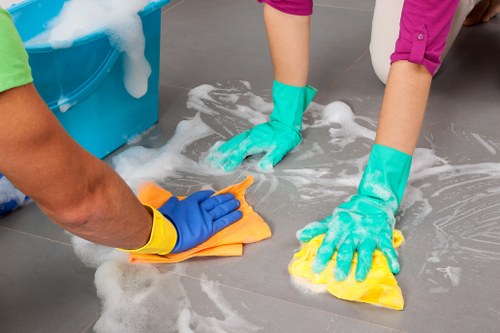
Regular cleaning offers benefits that go far beyond visual appeal. It improves indoor hygiene, supports healthier breathing conditions, and helps people feel more relaxed in their surroundings. A tidy room often feels more welcoming, while a neglected space can quickly feel stressful and uninviting. For businesses, regular cleaning also plays a major role in customer perception and employee comfort.
When surfaces are cleaned often, dirt has less time to settle, stain, or spread. This makes each cleaning task easier and more efficient. Instead of facing heavy scrubbing or deep restoration later, you can maintain a space through simple, routine care. Regular cleaning is therefore not just a habit; it is a smart maintenance strategy.
It also helps protect the items and finishes in your home or workplace. Floors, countertops, furniture, appliances, and fixtures last longer when they are cleaned properly and frequently. That means fewer repairs, fewer replacements, and better long-term value.
Health Benefits of Regular Cleaning
One of the strongest reasons to keep up with regular cleaning is health. Dust, pollen, pet dander, mold spores, and bacteria can accumulate quickly in indoor spaces. Without regular attention, these particles can affect air quality and trigger allergies, respiratory irritation, or general discomfort. A cleaner environment often means a healthier one.
In kitchens and bathrooms, frequent cleaning is especially important because moisture and food residue can encourage germs and unpleasant odors. Wiping counters, sanitizing high-touch points, and keeping sinks, toilets, and tiles clean all contribute to a safer environment. Regular cleaning routines help reduce the chance of cross-contamination in these high-use spaces.
For households with children, older adults, or individuals with sensitivities, regular cleaning becomes even more important. These groups may be more affected by poor indoor hygiene, dust accumulation, or lingering irritants. A consistent schedule can make a noticeable difference in comfort and peace of mind.
Why Regular Cleaning Saves Time and Effort
A common misconception is that cleaning less often saves time. In reality, skipping regular cleaning usually creates larger tasks later. Dust turns into buildup, spills become stains, and clutter becomes overwhelming. What could have been handled in a few minutes may later require hours of effort.
By staying on top of cleaning tasks, you keep everything more manageable. Simple actions like wiping surfaces daily, vacuuming frequently, and organizing items as you go can prevent major messes from developing. This is one of the most efficient ways to maintain order without spending entire weekends cleaning.
Regular cleaning also supports better workflow. When items are stored in the right place and surfaces are clear, it becomes easier to work, cook, relax, or serve customers. The space begins to support your routines instead of interrupting them.
Daily Habits That Make a Big Difference
- Wipe kitchen counters after use
- Put items back where they belong
- Sweep high-traffic areas
- Clear trash before it overflows
- Sanitize commonly touched surfaces
These small actions may seem minor, but together they create a strong foundation for regular cleaning. The result is a cleaner environment with less stress and less effort over time.
Regular Cleaning in the Home
Home is where regular cleaning often has the biggest impact. A clean home feels calmer, looks brighter, and is easier to enjoy. From living rooms to bedrooms, every area benefits from steady maintenance. Even small tasks, when repeated consistently, contribute to a healthier and more pleasant household.
Living rooms collect dust from foot traffic, fabrics, electronics, and open windows. Bedrooms need fresh bedding, dust-free surfaces, and good floor care. Kitchens require special attention because they deal with food, spills, and grease. Bathrooms, meanwhile, need regular cleaning to stay sanitary and odor-free.
The best approach is to break the home into manageable zones and assign tasks by frequency. This makes regular cleaning feel less overwhelming and more achievable. Instead of waiting until everything needs attention at once, you can keep each space in steady condition.
Regular Cleaning in the Workplace
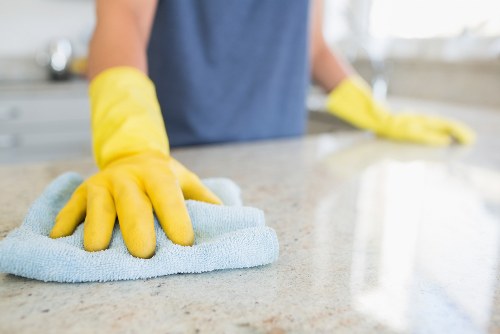
Workplace cleanliness directly affects productivity, professionalism, and employee morale. An organized office or commercial setting helps staff stay focused and makes the environment more inviting for visitors. Regular cleaning also helps reduce the spread of germs in shared work areas, meeting rooms, break spaces, and restrooms.
In offices, regular cleaning includes dusting desks, vacuuming carpets, emptying bins, disinfecting shared equipment, and maintaining reception areas. In retail spaces, it may also involve polishing display surfaces, keeping floors spotless, and ensuring restrooms remain fresh throughout the day. The goal is to create a polished space that reflects care and professionalism.
For many businesses, a clean workspace is part of their brand image. Customers notice whether a space feels fresh and orderly. Employees also perform better when they are not distracted by mess, odors, or clutter. That is why regular cleaning is not an optional extra; it is part of a healthy business environment.
Key Workplace Cleaning Priorities
- Disinfect shared touchpoints such as door handles and switches
- Keep reception and customer-facing areas tidy
- Maintain clean floors, carpets, and entryways
- Clear bins before odors and overflow become problems
- Refresh restrooms and break rooms regularly
These tasks help preserve a clean atmosphere and support a positive experience for everyone who enters the space.
How Regular Cleaning Supports Better Organization
Organization and regular cleaning go hand in hand. When a space is clean, it is easier to see what you have, where things belong, and what needs attention. This reduces clutter and prevents the kind of buildup that often leads to stress and wasted time.
Regular cleaning encourages better habits too. You are more likely to sort mail, store supplies properly, and keep surfaces free from unnecessary items. Over time, this creates a more efficient environment where daily tasks are easier to complete.
Regular cleaning also supports mental clarity. Many people feel more focused in spaces that are neat, open, and orderly. The connection between a clean environment and a calmer mindset is one reason so many homes and businesses prioritize cleaning schedules.
Building a Regular Cleaning Schedule
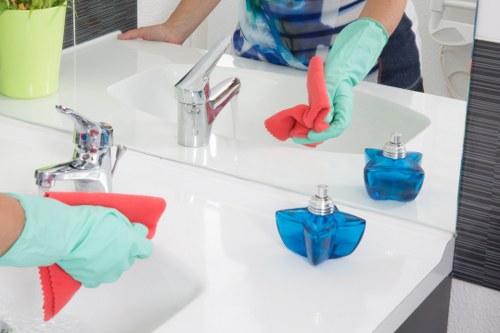
A successful cleaning routine depends on structure. Without a plan, it is easy to forget tasks or let them pile up. A cleaning schedule helps distribute work across the week so that maintenance feels manageable. It also ensures that key areas are never neglected.
Most spaces benefit from a mix of daily, weekly, and monthly tasks. Daily tasks focus on maintenance and mess prevention. Weekly tasks cover deeper surface cleaning, vacuuming, laundry, and bathrooms. Monthly tasks may involve more detailed work such as washing windows, cleaning appliances, or organizing storage spaces.
You can adapt your schedule based on the size of the property, the number of people using it, and the level of traffic. A busy family home may need more frequent attention than a small apartment, while a commercial property may require professional-level upkeep. The important thing is consistency.
Example Cleaning Frequency Plan
- Daily: wipe counters, tidy surfaces, wash dishes, sweep high-use areas
- Weekly: mop floors, vacuum carpets, clean bathrooms, change bedding
- Monthly: dust vents, wash windows, clean behind furniture, check storage areas
- Seasonal: deep clean upholstery, refresh closets, organize garages or storage rooms
Following a plan like this makes regular cleaning more efficient and easier to sustain over time.
Best Practices for Effective Regular Cleaning
Good cleaning is not only about frequency; it is also about technique. Using the right method and supplies helps you achieve better results while saving time and energy. Start from the top of a room and work downward so dust and debris are removed efficiently. Use the right product for the right surface to avoid damage and streaking.
Another best practice is to clean before dirt becomes fixed. Fresh spills are easier to remove than old ones, and dust is easier to manage before it accumulates. This is why regular cleaning is so effective: it keeps tasks small and manageable instead of allowing problems to grow.
It also helps to declutter before cleaning. Removing items from counters, tables, and floors allows you to clean more thoroughly. When surfaces are clear, you can reach hidden dust and grime that might otherwise be missed.
Tools That Make Regular Cleaning Easier
- Microfiber cloths
- Vacuum cleaner with attachments
- Mop and bucket
- All-purpose cleaner
- Disinfectant for high-touch surfaces
- Scrub brushes and sponges
- Storage bins and organizers
Having the right tools on hand removes friction from the process and encourages consistency.
Common Mistakes to Avoid in Regular Cleaning

Even with the best intentions, it is easy to make mistakes that reduce the effectiveness of a cleaning routine. One common error is focusing only on visible dirt while ignoring hidden or less obvious areas. Under furniture, behind appliances, and around vents are all places where dust and debris can collect.
Another mistake is using too much product. More cleaner does not always mean better results. In some cases, excess product leaves residue, attracts more dirt, or damages surfaces. It is better to follow label instructions and use products appropriately.
People also sometimes clean in the wrong order. For example, vacuuming before dusting shelves can lead to having to vacuum again. A smart sequence saves time and improves results. Regular cleaning becomes far more effective when done with a method.
Mistakes That Reduce Cleaning Results
- Waiting too long between cleaning sessions
- Ignoring corners, edges, and hidden areas
- Using the wrong cleaning products
- Cleaning in an inefficient order
- Failing to disinfect high-touch surfaces
Avoiding these mistakes helps keep the cleaning process simple, thorough, and repeatable.
Regular Cleaning and Long-Term Cost Savings
Another major benefit of regular cleaning is cost control. Dirt, grime, and neglect can shorten the life of flooring, appliances, upholstery, and fixtures. Stains may become permanent, and surfaces may need replacement sooner than expected. A consistent cleaning routine protects your investment and helps you get more value from what you already own.
For businesses, this is especially important. A clean and well-maintained space can reduce repair costs, lower replacement needs, and improve operational efficiency. Even simple actions like keeping floors clean or preventing buildup in bathrooms can save money over time.
Regular cleaning also supports better maintenance planning. When you notice issues early, such as leaks, damaged grout, or worn surfaces, you can address them before they become expensive problems. In this way, cleaning becomes part of preventive care.
How to Stay Motivated with Regular Cleaning
Staying consistent is often the hardest part. Motivation tends to fade when tasks feel repetitive or overwhelming. The solution is to make regular cleaning as simple and realistic as possible. Start with small routines, build habits gradually, and focus on progress rather than perfection.
It can also help to set timers, use checklists, and break larger jobs into shorter sessions. Many people find that 10 to 20 minutes of focused cleaning is easier to maintain than trying to finish everything at once. Music, podcasts, or shared household routines can also make the process more enjoyable.
Most importantly, remember the payoff. A cleaner environment looks better, smells fresher, and feels more comfortable. Those daily benefits are often enough to keep a regular cleaning routine going.
Simple Ways to Stay Consistent
- Keep a written or digital cleaning schedule
- Assign tasks by day or area
- Use storage solutions to reduce clutter
- Set a timer for short cleaning bursts
- Reward consistency with a tidy, stress-free space
With the right mindset, regular cleaning becomes less of a chore and more of a normal part of daily living.
When to Consider Professional Cleaning Support
Although many cleaning tasks can be handled independently, there are times when professional support makes sense. Large properties, high-traffic businesses, post-event cleanup, and specialized surfaces may require experience, equipment, and expertise. Professional services can also help when a space needs a reset after neglected maintenance.
Even when professional assistance is used, regular cleaning at home or in the workplace remains essential. Professional care works best when supported by ongoing maintenance. That combination keeps the space in excellent condition for longer.
If your schedule is busy or your property has more demanding cleaning needs, it may be a practical choice to supplement your routine. Contact us today to explore cleaning support options that fit your space and goals, or book your service now to keep your environment consistently fresh and well-maintained.
Final Thoughts on Regular Cleaning
Regular cleaning is one of the most effective ways to protect health, improve comfort, reduce stress, and extend the life of the things you use every day. It supports organization, saves time, lowers long-term costs, and creates a better experience in both homes and workplaces. The habit may seem simple, but its impact is significant.
By staying consistent, using the right tools, and following a realistic schedule, you can make regular cleaning a natural part of your routine. Whether you are maintaining a family home, an office, or a customer-facing property, the benefits are immediate and lasting. Start small, stay steady, and enjoy the difference a clean space can make.
Regular cleaning is not just about appearance. It is about creating a space where people feel comfortable, focused, and cared for. If you are ready to improve your environment, now is the time to take action. Book your service now and make cleanliness a lasting priority.