Communal Area Cleaning: Keeping Shared Spaces Safe, Fresh, and Welcoming
Communal area cleaning is one of the most important services for keeping shared environments healthy, attractive, and functional. Whether in apartment buildings, office complexes, schools, hospitality settings, or mixed-use developments, the condition of communal spaces shapes how people feel about the entire property. Clean hallways, spotless lobbies, hygienic lifts, and well-maintained stairwells create a positive first impression and support a better day-to-day experience for everyone using the space.
When communal area cleaning is done properly, it does more than improve appearance. It helps reduce germs, prevents unpleasant odours, supports safety, and protects the long-term condition of floors, fixtures, and common surfaces. For landlords, property managers, facility teams, and residents, a reliable cleaning routine is an investment in comfort, reputation, and asset value.
In this article, we explore what communal area cleaning involves, why it matters, which areas need special attention, and how to build an efficient cleaning plan that delivers consistent results. If you manage shared spaces or want to understand what high-quality communal area cleaning should include, you are in the right place.
What Is Communal Area Cleaning?

Communal area cleaning refers to the regular cleaning and maintenance of spaces shared by multiple occupants, tenants, employees, or visitors. These are the areas that everyone uses but no single person owns or is solely responsible for. Because these spaces experience frequent foot traffic, communal area cleaning must be consistent, thorough, and adapted to the level of use.
Common examples include building entrances, hallways, lift interiors, staircases, shared kitchens, reception areas, waiting rooms, meeting rooms, washrooms, laundry rooms, and bin storage spaces. Each of these areas can quickly become dirty, cluttered, or unhygienic without a structured cleaning schedule.
Professional communal area cleaning normally covers dusting, vacuuming, mopping, sanitising touchpoints, waste removal, spot cleaning, and reporting maintenance issues. In many properties, it also includes periodic deep cleaning tasks such as carpet shampooing, floor polishing, window cleaning, and disinfection of high-contact surfaces.
Why Communal Area Cleaning Matters
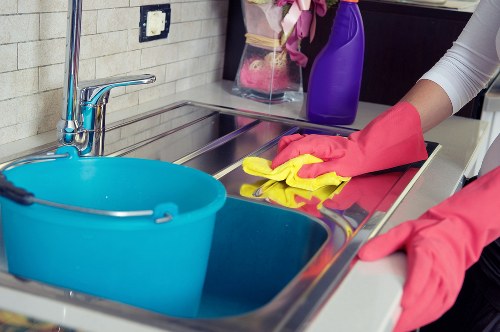
Good communal area cleaning has a direct impact on health, safety, and the overall perception of a building. Shared areas are often the first spaces people see, which means their condition influences the reputation of the entire property. A clean entrance or lobby immediately signals care, professionalism, and attention to detail.
From a hygiene perspective, communal spaces can spread dirt, bacteria, dust, and allergens from one person to another. Door handles, lift buttons, banisters, switches, and intercoms are touched repeatedly throughout the day. Without proper communal area cleaning, these surfaces can become hotspots for contamination.
There is also a practical financial reason to invest in regular communal area cleaning. Dirt and debris can damage flooring, stain carpets, clog vents, and accelerate wear on fixtures and fittings. A preventative cleaning approach helps protect assets and reduces the likelihood of expensive repairs or premature replacements.
In short: communal area cleaning is not just about appearance. It supports wellness, lowers risk, improves comfort, and preserves property value over time.
Key Areas Covered in Communal Area Cleaning

Every property is different, but most communal area cleaning programmes focus on a core set of shared spaces. Understanding these areas helps ensure nothing important is missed and that the entire building stays consistently presentable.
1. Entrances and Reception Areas
Entrances create the first impression, so communal area cleaning here should be exceptionally thorough. This includes floor care, glass cleaning, dust removal, wiping doors and frames, and keeping mats free from dirt. Reception counters, seating, and decorative surfaces should also be cleaned regularly.
2. Hallways and Corridors
Hallways accumulate dust, fingerprints, rubbish, and marks from trolleys, shoes, and bags. Routine vacuuming or sweeping, mopping, wall spot cleaning, and skirting dusting are essential parts of communal area cleaning in these high-traffic zones.
3. Stairwells and Lift Areas
Stairwells and lifts need frequent attention because they are often among the most heavily used spaces. Lift buttons, handrails, floor corners, and stairs should be cleaned carefully to maintain both hygiene and safety.
4. Shared Kitchens and Breakout Spaces
In commercial and residential environments, shared kitchens can become messy very quickly. Communal area cleaning should include countertop sanitising, appliance wiping, sink cleaning, floor care, and rubbish management to prevent odours and pest issues.
5. Washrooms and Toilets
Shared washrooms require especially careful cleaning. Toilets, sinks, taps, mirrors, dispensers, bins, and floors should be sanitised routinely. Reliable communal area cleaning in washrooms is vital for hygiene and user comfort.
Benefits of Professional Communal Area Cleaning

While some properties attempt to manage shared spaces internally, professional communal area cleaning often delivers better and more consistent outcomes. Trained cleaners use the right products, methods, and schedules to keep high-use areas in excellent condition.
Here are some of the main benefits:
- Healthier environment: Regular sanitising reduces bacteria, viruses, dust, and allergens.
- Better appearance: Clean shared spaces create a polished and welcoming atmosphere.
- Improved safety: Removing spills, rubbish, and debris helps prevent slips, trips, and falls.
- Longer-lasting surfaces: Proper care protects flooring, walls, fixtures, and fittings.
- Reduced complaints: Tenants, staff, and visitors are more satisfied when communal spaces are well maintained.
- Stronger property image: A clean building reflects professionalism and management quality.
Professional communal area cleaning also brings accountability. Cleaning teams typically follow checklists, log completed tasks, and report maintenance concerns such as broken lights, leaks, or damaged fittings. This creates a more proactive approach to building care.
In many cases, the real value of communal area cleaning is not only what people notice immediately, but also the problems it helps prevent in the background.
How to Build an Effective Communal Area Cleaning Schedule

A successful communal area cleaning plan should be tailored to the property type, occupancy level, and frequency of use. A busy office building will need a different approach from a small residential block. The key is to match cleaning frequency and task depth to actual demand.
Daily Tasks
Daily communal area cleaning often includes waste removal, vacuuming, sweeping, mopping, sanitising touchpoints, checking washrooms, and tidying visible clutter. In high-traffic spaces, these tasks may need to happen more than once per day.
Weekly Tasks
Weekly cleaning can focus on deeper surface care such as dusting higher areas, wiping skirting boards, cleaning glass, polishing stainless steel, and paying closer attention to corners and hard-to-reach spots. This is also a good time to review supplies and check for recurring issues.
Monthly or Periodic Tasks
Periodic communal area cleaning may include carpet extraction, floor stripping and polishing, high-level dusting, deep sanitisation, and cleaning of vents, light fixtures, or external access points. These tasks help maintain a higher standard over time.
To make the schedule work effectively, consider these steps:
- Assess the building’s foot traffic and usage patterns.
- List all shared areas requiring regular attention.
- Define daily, weekly, and periodic cleaning tasks.
- Assign responsibility clearly.
- Monitor quality through inspections and checklists.
- Adjust the schedule when building use changes.
A well-planned routine ensures communal area cleaning remains consistent rather than reactive. That consistency is what keeps shared spaces looking cared for every day.
Best Practices for High-Quality Communal Area Cleaning
High-quality communal area cleaning depends on more than simply following a checklist. It requires good technique, the right materials, and a clear understanding of what each shared space needs. A few practical best practices can significantly improve results.
Use the correct products for the surface: Different materials need different treatments. What works on tile may not be suitable for wood, glass, stone, or stainless steel. Using the wrong product can cause damage, streaking, or residue.
Focus on touchpoints: Door handles, switches, railings, lift buttons, and push plates should be cleaned and sanitised frequently because they are touched by many people throughout the day.
Work top to bottom: Dust and debris fall downward, so cleaning should start with higher surfaces and finish with floors. This helps avoid repeating work and produces a better result.
Pay attention to odours: Smells in communal spaces often come from bins, drains, damp areas, food waste, or poorly ventilated rooms. Regular deodorising and waste management should be built into communal area cleaning.
Don’t ignore corners and edges: Dirt builds up in places that are easy to miss, especially along skirting boards, behind doors, and near furniture. These small details matter because they affect the overall impression of cleanliness.
Consistency is the real secret to effective communal area cleaning. Even a beautiful building can feel neglected if shared spaces are allowed to deteriorate between cleans.
Communal Area Cleaning in Residential Buildings
In residential settings, communal area cleaning has a direct impact on tenant satisfaction and property reputation. Residents want to know that shared spaces are safe, well maintained, and pleasant to use. Common areas in apartment blocks, flats, and housing developments often experience repeated daily use, which makes regular cleaning essential.
Typical residential communal area cleaning covers entrances, staircases, lift lobbies, corridors, bin rooms, mail areas, and external pathways. In larger blocks, this may also include cycle storage, laundry rooms, and shared leisure facilities. Property managers often rely on scheduled visits to keep these spaces presentable without causing disruption.
Residents are more likely to respect shared spaces when they are visibly cared for. Clean surroundings encourage better behaviour, reduce littering, and support a stronger sense of community. In contrast, neglected communal areas can quickly lead to complaints, misuse, and a general decline in property standards.
Communal Area Cleaning in Commercial Buildings
For offices, retail complexes, business centres, and mixed-use buildings, communal area cleaning plays an equally important role. Employees, clients, contractors, and visitors all form opinions based on what they see in the shared environment. Reception areas, corridors, meeting zones, and washrooms must therefore be cleaned to a professional standard.
Commercial communal area cleaning often needs to work around business hours. This may mean early morning, evening, overnight, or weekend cleaning to avoid interruptions. Flexibility is important, especially in workplaces that operate across multiple shifts or host frequent public visitors.
In business settings, the cleaning process should support productivity as well as presentation. Cleaner air, tidy shared spaces, and sanitised surfaces contribute to a more comfortable working environment. For businesses that welcome customers on-site, a clean communal space can also influence trust and brand perception.
Health, Safety, and Compliance Considerations
Communal area cleaning is closely linked to health and safety responsibilities. Shared spaces can become hazards when spills are left unattended, rubbish blocks pathways, or cleaning is not completed properly. Because many people use these areas, small problems can quickly affect a large number of occupants.
Important safety considerations include:
- Using wet floor signage when mopping.
- Keeping exits, fire routes, and stairwells clear.
- Removing debris that could cause slips or trips.
- Handling cleaning chemicals safely and storing them correctly.
- Using gloves, masks, or other protective equipment when needed.
Compliance may also involve maintaining hygiene standards in kitchens and washrooms, following waste disposal rules, and recording cleaning activity where required. For larger properties, documented communal area cleaning procedures can help demonstrate due diligence and support inspections.
Choosing the Right Communal Area Cleaning Provider
Selecting the right cleaning provider can make a significant difference to results. A dependable company will understand the unique needs of shared spaces and offer tailored solutions rather than a one-size-fits-all service. When evaluating a provider, it is sensible to consider experience, flexibility, communication, and quality control.
Look for these qualities:
- Experience with residential and commercial communal area cleaning.
- Clear task lists and service schedules.
- Reliable staff training and supervision.
- Use of safe, effective cleaning products.
- Responsive reporting for maintenance issues.
- Ability to scale services as building needs change.
It is also useful to ask how quality is monitored. Regular inspections, checklists, and feedback loops help ensure standards stay high. The best communal area cleaning providers act as an extension of the property management team, not just a vendor carrying out isolated tasks.
Communal Area Cleaning Tips for Property Managers
Property managers often face the challenge of balancing budgets, tenant expectations, and building standards. A structured communal area cleaning strategy can make that job much easier. Clear planning and communication help avoid misunderstandings and keep cleaning performance on track.
Helpful tips for property managers:
- Conduct regular inspections of shared spaces.
- Prioritise high-traffic zones and touchpoints.
- Keep cleaning schedules visible and realistic.
- Encourage occupants to report problems quickly.
- Review cleaning outcomes during seasonal changes.
- Use feedback to refine the service over time.
It is also worth preparing for periods of increased use, such as holidays, move-ins, events, or bad weather. During those times, communal area cleaning may need extra support to keep standards from slipping.
Environmental Considerations in Communal Area Cleaning
Modern communal area cleaning increasingly takes sustainability into account. Many organisations now prefer cleaning practices that reduce waste, conserve water, and limit harsh chemical use while still delivering excellent hygiene. Eco-conscious methods can support both environmental goals and occupant wellbeing.
Examples include using concentrated products to reduce packaging, choosing microfiber tools that improve cleaning efficiency, and selecting low-toxicity solutions where appropriate. Efficient equipment and smart scheduling can also help reduce energy use and unnecessary resource consumption.
For many buildings, sustainable communal area cleaning is not just an ethical choice; it is also a practical one. Occupants often appreciate greener cleaning methods, especially when they align with health, comfort, and corporate responsibility.
Common Mistakes to Avoid
Even well-intentioned cleaning routines can fail if common mistakes are repeated. Avoiding these errors can dramatically improve the effectiveness of communal area cleaning.
- Inconsistent schedules: Irregular cleaning allows dirt to build up quickly.
- Ignoring high-touch surfaces: Touchpoints are critical for hygiene.
- Using unsuitable products: Wrong chemicals can damage surfaces or leave residue.
- Skipping hidden areas: Corners, edges, and behind fixtures often collect dirt.
- Failing to report faults: Cleaning teams should note damage, leaks, and maintenance issues.
- Not adapting to usage levels: More foot traffic usually means more frequent cleaning is required.
When communal area cleaning is treated as an afterthought, small issues quickly become visible problems. A strong routine prevents that decline and keeps the environment consistently usable and inviting.
Why Communal Area Cleaning Supports Long-Term Property Value
Well-maintained communal spaces do more than make a building look better in the moment. They support long-term value by preserving materials, improving tenant satisfaction, and strengthening the overall reputation of the property. Buyers, tenants, visitors, and staff all notice the difference when shared areas are looked after properly.
Clean and orderly communal spaces also help reduce wear on key surfaces. Dirt acts like an abrasive, gradually scratching floors, dulling finishes, and staining fabrics. Regular communal area cleaning slows this damage and helps extend the life of a building’s interior features.
For landlords and facility managers, this makes cleaning a practical investment rather than a cosmetic extra. A property that consistently feels fresh, hygienic, and professionally maintained is more likely to retain occupants and attract new interest.
Final Thoughts on Communal Area Cleaning
Communal area cleaning is essential for creating safe, welcoming, and well-managed shared environments. It improves hygiene, supports safety, enhances appearance, and protects the long-term condition of the property. Whether the setting is residential, commercial, or mixed-use, the quality of shared spaces has a lasting impact on how people experience the building.
By using a structured schedule, focusing on high-touch surfaces, choosing suitable products, and maintaining consistency, you can achieve strong results from communal area cleaning. The difference is visible, practical, and valuable. Clean communal spaces send a clear message: the property is cared for, the occupants matter, and standards are taken seriously.
If your shared spaces need a higher standard of care, contact us today and book your service now to keep your communal area cleaning routine on track. Reliable cleaning makes a lasting difference every day.