House Cleaning That Makes Everyday Living Easier
House cleaning is one of those household responsibilities that quietly shapes the way a home feels, functions, and supports daily life. A clean home is not just about appearance; it influences comfort, health, productivity, and even peace of mind. Whether you live in a small apartment, a family home, or a busy shared space, consistent house cleaning helps create an environment that feels welcoming and organized. From dust control to disinfecting high-touch surfaces, the right routine can make a noticeable difference.
Many people think of house cleaning as a long list of chores, but in reality, it is a practical system that can be adapted to your schedule, your household needs, and your priorities. Some homes require daily tidying, while others need periodic deep cleaning to stay in top shape. The key is understanding what matters most and building a rhythm that works. A thoughtful house cleaning approach can save time, reduce stress, and help protect the condition of furniture, flooring, and fixtures.
In today’s fast-paced world, house cleaning also plays an important role in supporting a more balanced lifestyle. When the kitchen is hygienic, the bathroom is fresh, and living spaces are clutter-free, it becomes easier to relax and focus. That is why many homeowners and renters look for smarter ways to manage cleaning tasks without feeling overwhelmed. House cleaning does not need to be stressful; with the right methods, it can be manageable and even satisfying.
Why House Cleaning Matters More Than You Think
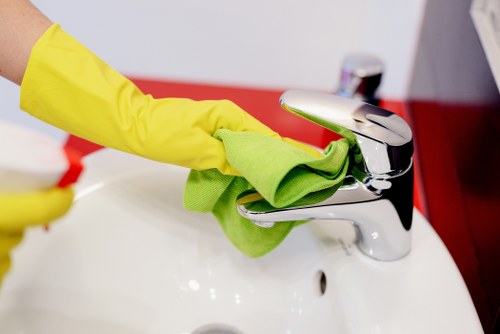
House cleaning is often associated with aesthetics, but its value goes far deeper. Clean surfaces help reduce dust, dirt, allergens, and bacteria that can accumulate throughout the home. For families with children, pets, or allergy sensitivities, regular house cleaning can help create a healthier indoor environment. It also supports better indoor air quality, especially when vacuuming, dusting, and wiping are done consistently.
Another reason house cleaning matters is the impact it has on mental clarity. Clutter and mess can make a room feel chaotic, even if the actual space is large. A clean and organized home tends to feel more calm and functional. This is especially important for people who work from home, manage busy schedules, or simply want a space where they can recharge after a long day. House cleaning can be a simple but powerful way to improve the atmosphere of a home.
There is also a practical side to regular cleaning. Dirt and grime can damage surfaces over time, and neglecting maintenance can lead to expensive repairs or replacements. For example, buildup in bathrooms can stain grout, kitchen grease can affect cabinets, and dust can shorten the life of electronics. By staying consistent with house cleaning, you protect the value and longevity of your home.
The everyday benefits of cleaner spaces
Clean rooms tend to be easier to use and enjoy. A tidy kitchen invites better cooking habits, a fresh bedroom supports restful sleep, and a clean entryway creates a more pleasant first impression. These small benefits add up and make daily routines smoother. House cleaning is therefore not only about maintenance; it is about creating an environment that works for your life.
Creating a House Cleaning Routine That Fits Your Home
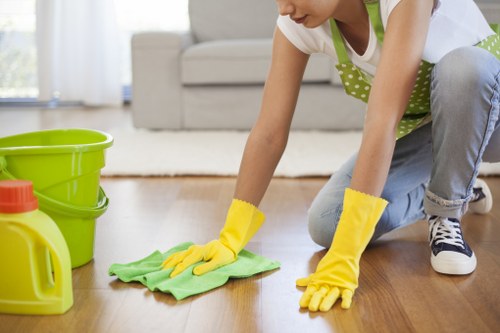
The best house cleaning routine is the one you can actually maintain. Instead of trying to do everything at once, it helps to divide tasks into daily, weekly, monthly, and seasonal categories. This keeps cleaning from becoming overwhelming and makes it easier to stay on track. A realistic plan is far more effective than an ambitious one that quickly falls apart.
Daily tasks often include wiping counters, loading the dishwasher, sweeping high-traffic areas, and tidying visible clutter. Weekly house cleaning usually focuses on bathrooms, floors, dusting, and changing bedding. Monthly tasks may involve cleaning baseboards, washing windows, or organizing storage areas. Seasonal cleaning can cover deeper jobs like cleaning behind appliances or refreshing upholstery. With this structure, house cleaning becomes easier to manage.
One helpful strategy is to focus on zones rather than the entire home at once. For instance, you might dedicate one day to the kitchen, another to bathrooms, and another to living spaces. This zone-based approach prevents burnout and helps you see progress faster. It can be especially useful for busy households where time is limited.
How to keep a routine realistic
Start by identifying the rooms that get the most use and build your schedule around them. A home with children and pets may require more frequent vacuuming and surface cleaning, while a smaller apartment may need fewer steps. The goal is to create a house cleaning plan that supports your lifestyle instead of adding pressure to it.
- Choose a few non-negotiable daily tasks.
- Assign weekly tasks by room.
- Set monthly reminders for deeper cleaning jobs.
- Adjust the plan during busy seasons or holidays.
When your routine feels manageable, it becomes much easier to stay consistent. That consistency is what keeps a home looking and feeling good over time.
Essential House Cleaning Tasks for Each Area of the Home
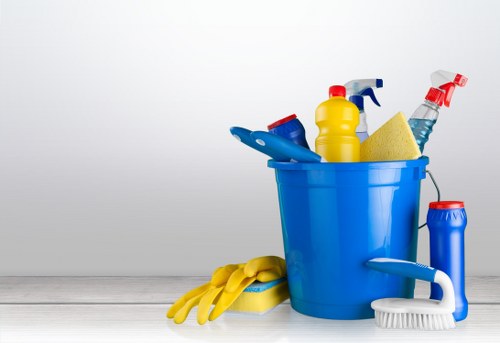
Different areas of the home need different cleaning methods. Understanding these differences can help you clean more efficiently and avoid wasting time on the wrong tasks. A smart house cleaning routine addresses each area based on its purpose, usage, and level of exposure to dirt or moisture.
In the kitchen, focus on countertops, sinks, appliances, cabinet handles, and floors. Kitchens tend to collect grease, crumbs, and spills quickly, so regular attention matters. In bathrooms, disinfection is especially important. Toilets, sinks, tubs, faucets, and mirrors should be cleaned on a routine basis to reduce buildup and keep the space fresh. Bedrooms benefit from dusting, vacuuming, and laundering bedding, while living rooms need surface dusting, upholstery care, and floor maintenance.
Entryways and hallways are often overlooked, yet they are some of the most frequently used areas in a home. These spaces collect dirt from shoes, bags, pets, and everyday traffic. Keeping them clean helps stop messes from spreading to the rest of the house. House cleaning becomes much more effective when every area gets the right kind of attention.
Kitchens, bathrooms, bedrooms, and shared spaces
Each room has its own cleaning priorities. A kitchen needs food-safe cleanliness, a bathroom needs hygienic care, and a bedroom needs freshness and comfort. Shared spaces should feel open and clutter-free, since they are often used by multiple people throughout the day. By understanding the unique needs of each zone, you can clean more strategically and maintain better results.
- Kitchen: counters, sink, stove, refrigerator exterior, floors
- Bathroom: toilet, shower, mirrors, sink, tile, fixtures
- Bedroom: sheets, dusting, vacuuming, under-bed cleaning
- Living room: surfaces, upholstery, electronics, floors
Tools and Supplies That Make House Cleaning Easier
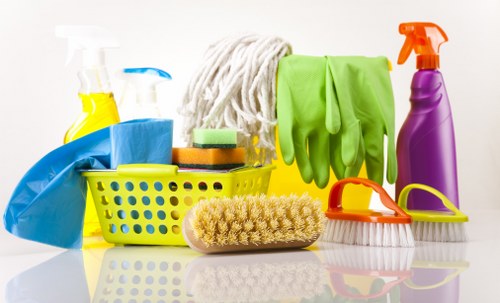
Having the right tools can make house cleaning faster, safer, and more effective. Basic supplies usually include microfiber cloths, a vacuum cleaner, a mop, a broom, sponges, disinfectant, glass cleaner, and all-purpose cleaner. These essentials handle most routine jobs and can support both quick cleanups and deeper sessions. Quality tools often reduce effort while improving results.
Microfiber cloths are especially useful because they trap dust instead of simply moving it around. A vacuum with attachments can help reach corners, furniture, stairs, and baseboards. A good mop is important for hard floors, while a sturdy scrub brush helps with bathroom grout and stubborn buildup. When your supplies are organized and easy to access, house cleaning becomes less of a chore and more of a simple system.
It is also worth considering eco-friendly products if you want to reduce harsh chemical exposure in your home. Many modern cleaning supplies are formulated to be effective without overwhelming fumes or heavy residues. This can be particularly helpful in homes with children, pets, or people sensitive to strong smells. Choosing the right products is an important part of thoughtful house cleaning.
Smart supply organization tips
Keeping your supplies in one central caddy or cleaning cart can save time and help you move from room to room efficiently. You may also want to keep separate items for bathrooms and kitchens to avoid cross-contamination. Labels, baskets, and storage bins can make a big difference in staying organized.
- Store frequently used supplies in one easy-to-reach place.
- Replace worn-out tools regularly.
- Keep specialty products for specific tasks.
- Review your supplies before starting a cleaning session.
When everything is prepared in advance, house cleaning becomes much smoother and less frustrating.
Deep Cleaning vs. Routine House Cleaning
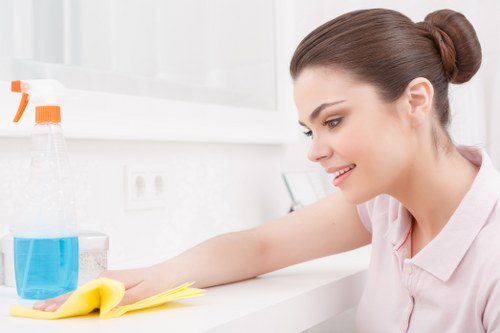
Routine house cleaning and deep cleaning serve different purposes, and both are valuable. Routine cleaning keeps visible mess under control and prevents buildup from becoming unmanageable. Deep cleaning goes further by tackling hidden dirt, neglected spots, and tasks that are not needed every week. Together, they create a balanced approach to home maintenance.
Routine house cleaning usually includes sweeping, vacuuming, wiping surfaces, cleaning bathrooms, and taking out trash. Deep cleaning may involve washing walls, cleaning inside cabinets, scrubbing tile grout, degreasing kitchen vents, and moving furniture to clean underneath. The timing depends on the home, but many households benefit from a deeper session several times a year. This is where house cleaning really becomes a long-term maintenance strategy.
Deep cleaning is especially useful before major events, after seasonal changes, or when a home begins to feel stale despite regular tidying. It can also be a good opportunity to assess items you no longer need and declutter more intentionally. A fresh reset can make everyday upkeep much simpler.
When to schedule deeper cleaning tasks
Some people prefer to deep clean one room at a time, while others schedule a full-home session over a weekend. Either way, the important thing is to prevent buildup from becoming overwhelming. The more regularly you handle deeper tasks, the easier future maintenance becomes.
- Before hosting guests or special gatherings
- At the start of a new season
- After renovations or home projects
- When allergy symptoms seem worse indoors
Thinking ahead helps you avoid the stress of last-minute cleaning and keeps the home consistently comfortable.
House Cleaning Tips for Busy Households
Busy households often need house cleaning methods that emphasize efficiency. Time is limited, so the best approach is to combine small daily habits with targeted weekly tasks. Even ten or fifteen minutes a day can make a noticeable difference when the effort is focused. The goal is not perfection; it is consistency.
One effective method is to involve everyone in the household. When family members share responsibility, cleaning becomes more manageable and less dependent on one person. Children can help with age-appropriate tasks like picking up toys, wiping tables, or putting laundry away. Adults can rotate larger tasks to keep the workload balanced. A shared system makes house cleaning more sustainable over time.
Another helpful technique is to clean as you go. Wiping counters after cooking, putting items away immediately, and handling small spills right away prevents mess from building up. These small habits reduce the need for major cleanup sessions later. In many homes, that is the difference between staying on top of house cleaning and constantly catching up.
Time-saving habits that really help
Simple routines often create the biggest results. For example, a five-minute evening reset can prepare the home for the next day and reduce morning stress. Laundry schedules, meal prep cleanup, and entryway organization can also save a great deal of time. When the household runs smoothly, house cleaning feels lighter and more predictable.
- Set a timer for short cleaning bursts.
- Do one load of laundry per day if needed.
- Use baskets to collect clutter quickly.
- Clean high-traffic spots more often than low-use areas.
These habits are small, but they can have a big impact on how a home feels day to day.
How Professional House Cleaning Can Support Your Home
While many people handle cleaning themselves, professional house cleaning can be a practical option when schedules are packed or specific tasks require extra attention. Professional cleaners often bring efficiency, structure, and experience that can help maintain high standards in the home. This can be especially valuable for deep cleaning, move-in cleaning, move-out cleaning, or periodic refreshes.
Another advantage of professional house cleaning is consistency. A skilled team can address hard-to-reach areas, use proper techniques for different surfaces, and complete tasks more quickly than most people can on their own. For households managing work, parenting, travel, or health challenges, outsourcing some cleaning tasks can create much-needed relief. It is not about replacing home care; it is about supporting it.
Many homeowners also choose professional house cleaning before major life events, such as welcoming a new baby, preparing for guests, or resetting a home after a busy period. In these situations, the service can reduce stress and help the home feel refreshed. If you need extra support, book your service now and make your cleaning routine easier to manage.
What to look for in a cleaning service
When choosing a service, it helps to look for clear communication, flexible options, and attention to detail. Different homes have different needs, so a good cleaning provider should be able to adapt to your priorities. Whether you want regular upkeep or a one-time deep clean, the right support can make house cleaning much more efficient.
- Experience with residential cleaning
- Flexible scheduling options
- Attention to kitchen and bathroom sanitation
- Ability to handle special requests
If your home feels difficult to keep up with, professional help can be a smart and practical solution.
Common House Cleaning Mistakes to Avoid
Even with the best intentions, some cleaning habits can make the job harder or reduce effectiveness. One common mistake is using too much product, which can leave residue behind and make surfaces feel sticky. Another is cleaning in the wrong order. For example, dusting after vacuuming can cause debris to fall onto freshly cleaned floors. A better strategy is to work from top to bottom so dirt naturally moves downward before final floor cleaning.
Using the wrong tools is another issue. Harsh scrubbers can damage delicate surfaces, while weak materials may not remove buildup efficiently. It is also important not to overlook hidden spots like light switches, door handles, behind appliances, and under furniture. These areas may not be visible at first glance, but they collect dust and grime over time. Effective house cleaning depends on attention to detail.
Finally, many people make the mistake of waiting too long between cleanings. When small messes are ignored, they quickly become larger problems. Staying consistent is often easier than trying to recover from major buildup. A simple routine is far more manageable than occasional emergency cleaning.
Better habits for better results
To avoid these mistakes, focus on steady improvement rather than trying to clean everything perfectly. Learn which products work best on your surfaces, keep your tools in good condition, and make cleaning part of your normal home rhythm. Over time, these habits create a cleaner and more comfortable living space.
- Follow the correct cleaning order.
- Use appropriate products for each surface.
- Pay attention to high-touch and hidden areas.
- Do small tasks regularly instead of waiting too long.
Why House Cleaning Supports a Better Lifestyle
At its core, house cleaning is about more than neat rooms. It supports the kind of lifestyle many people want: calmer mornings, safer surfaces, fewer distractions, and a stronger sense of control at home. Clean spaces make it easier to rest, work, host, and enjoy daily life. They also help people feel more connected to their environment and more confident in their routines.
When home upkeep is handled consistently, the benefits show up in many small ways. You may notice that cooking feels easier in a clean kitchen, that laundry is simpler in an organized space, or that relaxation comes more naturally in a tidy living room. House cleaning can improve not just the home itself, but the way you experience it.
That is why many households treat cleaning as part of their overall well-being, not just a set of chores. With a practical plan, useful tools, and a clear routine, house cleaning becomes a simple investment in comfort and peace of mind. If your home needs a reset, take the next step today and contact us today to explore the support that fits your needs.
Final thoughts on maintaining a cleaner home
There is no single perfect way to manage house cleaning, but there are many smart ways to make it easier. By focusing on consistency, using the right methods, and adapting tasks to your household, you can keep your space looking and feeling its best. Whether you handle cleaning on your own or choose professional support, the result is the same: a home that feels more comfortable, organized, and welcoming.