Oven Cleaning in Home and Business Spaces: Practical Tips, Benefits, and Best Results
Why Oven Cleaning Matters More Than You Think

Oven cleaning is one of those household tasks that people often postpone until smoke, odors, or burnt residue make it impossible to ignore. Yet a clean oven does much more than improve appearance. It helps food cook evenly, reduces unpleasant smells, lowers the chance of smoke during baking, and can even support better energy efficiency. Whether you cook every day or only on weekends, regular oven cleaning keeps your kitchen healthier and your appliance working properly.
When grease, carbon buildup, and food spills collect inside the oven, they begin to affect performance. Heat circulation becomes uneven, temperature accuracy can suffer, and stubborn residue may start to burn onto surfaces during every use. That is why many homeowners and business owners search for oven cleaning in their local area when they want a fast, reliable solution that delivers visible results.
In busy homes, kitchens see a lot of action: roasting trays spill, sauces splatter, cheese melts over edges, and crumbs settle in hidden corners. In commercial settings, the demand is even higher. Regular oven cleaning is not just about looking tidy; it is a practical part of maintenance that supports hygiene, safety, and long-term appliance care. Book your service now if you want a cleaner cooking environment without spending hours scrubbing.
What Makes Oven Cleaning So Important?
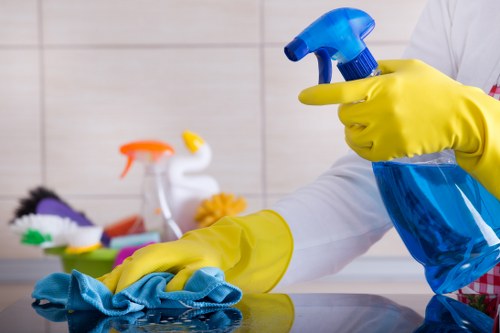
Many people think of oven cleaning as a cosmetic task, but it has a direct effect on cooking quality and kitchen safety. A dirty oven can produce smoke, unpleasant odors, and even flare-ups when built-up grease ignites under high heat. This is especially important when roasting meats, baking pastries, or preparing meals at high temperatures.
Another major reason oven cleaning matters is hygiene. Food particles and grease can attract pests, create sticky surfaces, and encourage the growth of bacteria in areas that are not cleaned properly. While high oven temperatures do kill many microbes, residue left behind can still contaminate cooking surfaces and create an unsanitary environment. Keeping on top of oven cleaning helps reduce these risks.
There is also the matter of efficiency. A heavily soiled oven often has to work harder to reach the desired temperature. That can mean longer preheating times and uneven cooking. If you use your oven regularly, routine oven cleaning can help keep it operating as intended. In commercial kitchens, this can support smoother service and fewer disruptions.
Signs Your Oven Needs Cleaning

Sometimes the need for oven cleaning is obvious, but not always. The following signs often indicate it is time to take action:
- Visible grease or dark buildup on the oven walls, racks, or glass door
- Smoke coming from the oven during cooking
- Unpleasant burnt smells even when the oven is empty
- Food cooking unevenly or taking longer than usual
- Spills and drips that have hardened onto internal surfaces
- Discoloration on trays, racks, or the oven window
If you notice any of these issues, it is usually best to schedule oven cleaning sooner rather than later. The longer residue stays in place, the harder it becomes to remove. Fresh spills are much easier to tackle than months of baked-on grime.
Another sign many people ignore is a sticky oven door. If the glass has a greasy film or the seal area looks dirty, heat retention may be affected. Regular oven cleaning can help preserve the appliance and make everyday cooking more pleasant.
Different Types of Oven Cleaning Methods
1. Manual Oven Cleaning
Manual oven cleaning involves using a cleaner, warm water, microfiber cloths, and sometimes a non-scratch scrub pad to remove dirt by hand. This method gives you direct control and is a popular choice for lighter buildup. It is also useful when you want to clean specific areas, such as the glass door, racks, or fan cover, without using harsh cycles or chemicals.
2. Self-Cleaning Ovens
Some ovens feature a self-clean function that uses very high heat to burn residue into ash. While convenient, this method can produce strong odors and smoke, and it is not suitable for every household. Before using this option, always check the manufacturer’s instructions. Self-cleaning can be useful, but many people still prefer a more controlled oven cleaning process.
3. Steam Cleaning
Steam cleaning uses moisture and moderate heat to soften residue, making it easier to wipe away. It is often gentler than heavy-duty chemical methods and can be ideal for routine maintenance. Steam-based oven cleaning is especially helpful when grime is not extremely severe.
4. Professional Oven Cleaning
Professional services use specialized products, tools, and techniques to remove stubborn grease and carbon deposits. This is a smart option when the oven has not been cleaned for a long time or when you want deep results with less effort. Professional oven cleaning can save time and help extend the life of your appliance.
How to Prepare for Oven Cleaning

Preparation makes a big difference. Before starting any oven cleaning task, remove racks, trays, pizza stones, and any loose accessories. If your oven has a thermometers or probes that can be detached, take those out too. A clear interior allows better access to all surfaces and helps you clean more thoroughly.
It is also wise to protect nearby surfaces. Lay down paper towels or an old cloth around the oven door if you expect drips. If you are using commercial products, make sure the kitchen is well-ventilated. Open windows and turn on an extractor fan if available. Good airflow is important during oven cleaning, especially when dealing with grease-cutting formulas.
Finally, read the oven manual. Different ovens have different materials, finishes, and cleaning requirements. Some self-cleaning models have special coatings or parts that should not be scrubbed aggressively. Knowing these details ahead of time helps you avoid damage and ensures your oven cleaning effort is safe and effective.
Step-by-Step Oven Cleaning Approach

Step 1: Remove Loose Debris
Start by taking out crumbs, loose food particles, and any detachable items. A soft brush or vacuum attachment can help remove dry debris. This makes the rest of the oven cleaning process easier and prevents loose dirt from spreading around.
Step 2: Apply a Suitable Cleaner
Choose a cleaner that matches your oven type and the level of buildup. For light residue, a mild degreasing spray or baking soda paste may be enough. For heavy grease, a stronger formula may be required. Apply the product to the affected areas and allow time for it to break down the grime. Patience is a key part of effective oven cleaning.
Step 3: Scrub Gently
Use a non-abrasive sponge or cloth to work the cleaner into the surface. Avoid metal scouring pads unless the manufacturer explicitly approves them, because they can scratch enamel and glass. For corners and seams, use a soft brush or cotton swab to reach tight spaces.
Step 4: Wipe and Rinse
Once the residue has loosened, wipe away the cleaner with a damp cloth. You may need several passes to fully remove all traces of grease and cleaning product. This is especially important during oven cleaning so no chemical residue remains inside the appliance.
Step 5: Dry and Reassemble
Dry the interior carefully with a clean microfiber cloth. Replace racks and accessories only when everything is fully dry. This last step may seem minor, but it helps prevent streaks, moisture buildup, and odors after cleaning.
Natural Oven Cleaning Options
Many people prefer natural methods for oven cleaning, especially if they want to avoid harsh chemicals. A common option is baking soda mixed with a little water to form a spreadable paste. Applied to greasy areas and left for several hours, it can loosen stuck-on debris. Vinegar is often used afterward to help lift the remaining residue and neutralize odors.
Another natural choice is lemon. Lemon juice has a fresh scent and mild acidic properties that can help soften grime. Some people place a bowl of water with lemon slices in the oven at low heat to create steam. While this is not a magic solution for heavy buildup, it can support regular oven cleaning and make the kitchen smell fresher.
Important: natural methods are best for maintenance and moderate soil levels. If your oven has thick carbon deposits or long-term grease accumulation, you may still need a stronger approach. Even so, building a routine around gentle oven cleaning methods can reduce future scrubbing and keep your appliance in better condition.
Professional Oven Cleaning: When It Makes Sense
Heavy Buildup and Hard-to-Reach Areas
There are times when DIY methods are not enough. If your oven has years of grease buildup, burnt-on spills, or blocked vents, professional oven cleaning may be the most practical choice. Trained cleaners know how to handle stubborn residue without damaging delicate components.
Time-Saving and Convenient
For busy families, landlords, restaurant owners, and property managers, time matters. Professional oven cleaning saves hours of effort and reduces the need to buy multiple products. It also avoids the trial-and-error process that can happen when tackling a particularly dirty oven alone.
Better Long-Term Maintenance
Deep professional oven cleaning can support the longevity of the appliance. By removing grease and residue from internal surfaces, seals, fans, and racks, technicians help reduce wear and improve overall performance. This is one reason many customers choose scheduled cleaning rather than waiting for problems to appear.
Safety Tips During Oven Cleaning
Safety should always come first. Before beginning any oven cleaning task, switch the appliance off and make sure it is completely cool. Never apply water or cleaner to hot surfaces unless the product instructions specifically say it is safe. Hot surfaces can cause burns and may react poorly with certain solutions.
Wear gloves if you are using stronger degreasers or if your skin is sensitive. If fumes are likely, keep the area ventilated and avoid mixing different cleaning products. Combining bleach, ammonia, or other chemicals can be dangerous. Careful handling is a basic part of safe oven cleaning.
If your oven has electrical components, heating elements, or a self-clean system, avoid spraying product directly into those areas. Use a cloth or sponge instead. When in doubt, consult the appliance manual or seek professional support. Safe oven cleaning protects both the user and the equipment.
How Often Should You Clean Your Oven?
There is no single schedule that fits every household. The right frequency depends on how often you cook, what kinds of dishes you prepare, and whether spills happen frequently. For light use, deep oven cleaning every few months may be enough. For families who bake and roast regularly, monthly maintenance can make more sense.
In commercial kitchens, oven cleaning often needs to happen much more often due to volume and hygiene requirements. Daily wipe-downs, weekly maintenance, and scheduled deep cleaning can all play a role. The goal is to prevent buildup before it becomes difficult to manage.
A simple rule is this: if you can see grease, smell burning residue, or notice performance changes, it is time for oven cleaning. Waiting until the appliance becomes visibly dirty usually means you will need more time, effort, and possibly stronger products to restore it.
Common Mistakes to Avoid
- Using abrasive tools that scratch enamel or glass
- Cleaning a hot oven instead of waiting for it to cool
- Forgetting to remove racks and accessories before cleaning
- Mixing chemical products in the hope of getting faster results
- Leaving cleaner residue behind after wiping
- Ignoring the oven door seal and corners where grime collects
Avoiding these mistakes makes oven cleaning more effective and less risky. Small errors can lead to damaged surfaces or incomplete cleaning, which means you may have to repeat the job sooner than expected. A careful approach gives better results and protects the oven’s finish.
Remember that the best oven cleaning routine is the one you can repeat regularly. Simple, consistent upkeep usually works better than occasional intensive scrubbing. Even a quick wipe after cooking can reduce future buildup and make deep cleaning easier.
Benefits of Regular Oven Cleaning
Better Food Quality
Clean ovens cook more evenly. That means better browning, more accurate roasting, and fewer burnt smells affecting the taste of your food. For anyone who loves baking, consistent oven cleaning supports better results every time you use the appliance.
Improved Kitchen Appearance
A clean oven improves the overall look of your kitchen. Smudges on the door, grease on the frame, and dark residue inside can make even a tidy kitchen appear neglected. Oven cleaning helps maintain a fresh, cared-for space.
Reduced Odors and Smoke
Old food residue often causes smoke and strong smells during cooking. Regular oven cleaning reduces these problems and makes the kitchen more comfortable for everyone.
Longer Appliance Lifespan
By removing grime before it hardens, you reduce strain on the appliance and help preserve its condition over time. That makes routine oven cleaning a smart investment, not just a housekeeping chore.
Choosing the Right Oven Cleaning Service
If you decide not to handle the task yourself, selecting the right provider matters. Look for a service that understands different oven models, uses appropriate products, and follows safe cleaning methods. Experience with oven cleaning is especially important when dealing with premium appliances, double ovens, or heavily used kitchen equipment.
You may also want a service that offers flexible scheduling and clear expectations. A good cleaning provider should be able to explain what will be cleaned, how long it may take, and what results you can expect. In addition, they should use methods that respect the manufacturer’s recommendations.
Whether you need oven cleaning for a family home, rental property, or commercial space, choosing a skilled provider can save time and deliver a noticeably better finish. Contact us today if you are looking to improve kitchen hygiene and restore your oven’s performance.
Frequently Asked Questions About Oven Cleaning
Can I clean my oven with household products?
Yes, many people use baking soda, vinegar, and warm water for light to moderate oven cleaning. These products can be effective, especially when used regularly. However, they may not remove very heavy buildup on their own.
Is self-cleaning safe?
Self-cleaning can be safe when used according to the manufacturer’s directions, but it may produce heat, smoke, and odor. Always check your oven manual before using this feature. If you are unsure, manual or professional oven cleaning may be the better option.
How long does professional oven cleaning take?
The time varies depending on the oven’s size, condition, and type. A lightly used oven may take less time than one with heavy residue. Professional oven cleaning is often much faster than doing the work yourself, especially when the buildup is severe.
Final Thoughts on Oven Cleaning
Oven cleaning is more than a one-time chore. It is an important part of maintaining a safe, efficient, and pleasant kitchen. Whether you choose natural methods, careful DIY cleaning, or a professional service, staying consistent makes a major difference. Clean ovens cook better, smell fresher, and last longer.
If you have been putting off oven cleaning, now is a good time to act. Small maintenance steps prevent bigger problems later and help keep your appliance in top condition. From routine wipe-downs to deep cleaning, every effort counts toward a healthier cooking space.
For busy homes and demanding commercial kitchens alike, reliable oven cleaning can improve daily life in simple but meaningful ways. Book your service now and enjoy a cleaner, more efficient oven with less hassle.