Domestic Cleaning in Modern Homes: Practical Tips, Benefits, and Smart Cleaning Strategies
Why Domestic Cleaning Matters for Every Household
Domestic cleaning is one of those everyday responsibilities that can easily be underestimated until clutter, dust, and mess begin affecting comfort and routine. A clean home does more than look nice. It supports healthier living, improves mood, and creates an environment where family life feels more organised and manageable. Whether you live alone, share a home with relatives, or manage a busy family household, domestic cleaning plays a major role in maintaining both hygiene and peace of mind.
In today’s fast-paced world, many people struggle to keep up with chores while balancing work, social commitments, and family responsibilities. That is why domestic cleaning has become not just a routine task, but an essential part of home care. From dusting shelves to deep cleaning kitchens, every task contributes to a cleaner, safer, and more pleasant home environment. A structured approach to domestic cleaning can save time, reduce stress, and prevent small problems from turning into larger issues.
When done consistently, domestic cleaning becomes less overwhelming and far more effective. Instead of waiting until the weekend for a major cleanup, a smart routine spreads tasks throughout the week and keeps the home in good shape. This article explores the importance of domestic cleaning, the best methods to manage it, and the practical habits that make the process easier for any household.
The Health Benefits of Regular Domestic Cleaning
One of the strongest reasons to prioritise domestic cleaning is its direct effect on health. Dust, allergens, pet hair, mould, and bacteria can all accumulate quickly in homes that are not cleaned regularly. These hidden contaminants may trigger allergies, worsen asthma, and contribute to respiratory irritation. Domestic cleaning helps reduce these risks by removing pollutants from frequently used surfaces and areas where dirt tends to gather.
Bathrooms and kitchens deserve special attention because they are high-moisture spaces where germs multiply easily. Sanitising sinks, wiping counters, cleaning appliances, and disinfecting touchpoints all help prevent the spread of harmful bacteria. Regular domestic cleaning also reduces the chances of pest infestations, as crumbs and food residue are removed before they attract insects or rodents.
Beyond physical health, there is a strong connection between clean surroundings and mental wellbeing. A tidy and fresh home can lower anxiety, support better sleep, and create a more relaxing atmosphere. Many people find that domestic cleaning gives them a sense of control and accomplishment, especially after a busy or stressful day. Clean spaces often support clearer thinking and better daily habits.
Key health advantages of domestic cleaning
- Reduces dust and airborne allergens
- Limits bacteria and virus spread on shared surfaces
- Prevents mould growth in damp areas
- Discourages pests by removing food debris
- Supports mental wellbeing through a calmer environment
Core Areas of Domestic Cleaning in the Home
Every home has areas that require routine attention, but some spaces matter more than others. A practical domestic cleaning plan focuses first on the places that affect hygiene, comfort, and appearance the most. These include kitchens, bathrooms, living rooms, bedrooms, hallways, and high-touch surfaces. Each area has its own cleaning needs, and understanding those needs makes domestic cleaning much more efficient.
The kitchen is often the busiest room in the home and usually the one that collects mess the fastest. Food spills, grease, crumbs, and appliance residue can build up quickly if ignored. Domestic cleaning in the kitchen should include wiping worktops, cleaning sinks, mopping floors, and regularly emptying bins. In the bathroom, cleaning is more about sanitation: toilets, taps, showers, tiles, and mirrors need routine care to stay hygienic and fresh.
Living areas and bedrooms may not need the same level of disinfection, but they still require consistent attention. Dusting furniture, vacuuming carpets, changing bedding, and organising clutter all help maintain a neat and comfortable space. Domestic cleaning is most effective when each room is treated according to its purpose and usage.
Common household zones that need attention
- Kitchen countertops, cupboards, and appliances
- Bathroom fixtures, tiles, and floors
- Living room surfaces, upholstery, and electronics
- Bedrooms, wardrobes, and bedding
- Hallways, staircases, and entry points
Creating a Domestic Cleaning Routine That Works
The best domestic cleaning routine is one that fits into real life. A plan that looks perfect on paper but is impossible to maintain will usually fail. For that reason, it is better to design a schedule based on your home’s size, your family’s habits, and the amount of time you can realistically spend each day or week. A successful domestic cleaning routine should be simple, practical, and flexible.
Many households find it useful to divide cleaning into daily, weekly, and monthly tasks. Daily chores may include wiping kitchen surfaces, doing dishes, sweeping the floor, and making beds. Weekly tasks often involve vacuuming, mopping, bathroom cleaning, dusting, and laundry. Monthly or seasonal domestic cleaning might involve washing windows, deep-cleaning appliances, reorganising storage spaces, and cleaning behind furniture.
Consistency is the key. Even small actions carried out regularly can keep the home in excellent condition. A little effort each day reduces the burden of bigger cleaning sessions later. Domestic cleaning becomes easier when tasks are broken into manageable steps. This is especially helpful for families with children, busy professionals, and anyone trying to avoid weekend cleaning marathons.
Sample weekly domestic cleaning plan
- Monday: Dust surfaces and tidy living areas
- Tuesday: Clean bathrooms and replace towels
- Wednesday: Vacuum carpets and mop floors
- Thursday: Clean kitchen appliances and counters
- Friday: Laundry and bedroom organisation
- Saturday: Deep clean one main room
- Sunday: Light reset and preparation for the week ahead
Domestic Cleaning Tools and Products That Make a Difference
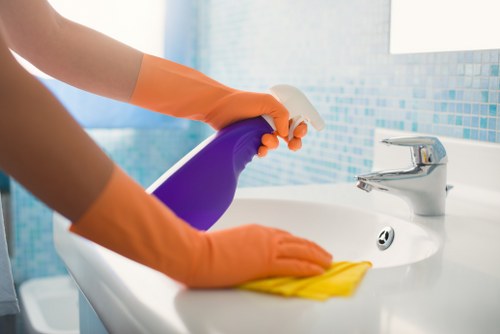
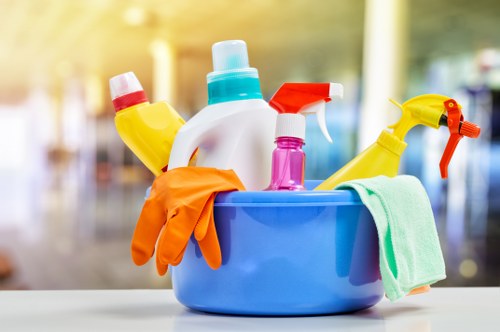
Good domestic cleaning depends not only on effort, but also on using the right tools. A well-equipped home cleaning kit can save time and improve results. Basic items such as microfiber cloths, sponges, a vacuum cleaner, a mop, a bucket, and rubber gloves are essential in most households. Depending on your cleaning style, you may also want disinfectant sprays, glass cleaner, scrubbing brushes, and a steam cleaner.
Choosing cleaning products carefully is important. Some products are designed for specific surfaces, while others are multipurpose. Always read labels to avoid damaging delicate materials such as wood, granite, or stainless steel. Eco-friendly domestic cleaning products are also becoming more popular because they reduce chemical exposure and are often better for households with children, pets, or sensitive skin.
Using quality cleaning tools can make domestic cleaning faster, safer, and more effective. For example, microfiber cloths trap dust better than ordinary fabric, and a vacuum with strong suction can remove dirt from carpets more efficiently. Smart product selection not only improves results but also helps preserve the condition of your home’s surfaces over time.
Useful domestic cleaning essentials
- Microfiber dusting cloths
- All-purpose cleaner
- Glass and mirror cleaner
- Bathroom disinfectant
- Vacuum cleaner with attachments
- Mop and floor-safe solution
- Scrub brushes for grout and stubborn stains
How to Tackle Deep Domestic Cleaning Tasks
While everyday upkeep is essential, deep domestic cleaning is what keeps a home truly refreshed over time. Deep cleaning focuses on the areas that are often neglected during regular chores. These tasks may not need to be completed weekly, but they are important for long-term cleanliness and home maintenance. Examples include cleaning inside cabinets, washing curtains, scrubbing grout, disinfecting bins, and wiping baseboards.
Deep domestic cleaning can feel intimidating, but it becomes more manageable when approached one room at a time. Many homeowners choose to focus on a single area per weekend or per month. This prevents burnout and allows for better attention to detail. It is often helpful to start from the top of a room and work downwards so that dust and debris fall onto floors that will be cleaned later.
Deep cleaning is not about perfection; it is about restoring areas that regular cleaning may miss. When carried out periodically, it helps maintain hygiene, improve air quality, and extend the life of furnishings and fixtures. Kitchens, bathrooms, and bedrooms usually benefit the most from deeper domestic cleaning sessions because they accumulate grime over time.
Deep cleaning priorities by room
- Kitchen: inside oven, fridge shelves, extractor fan, cupboards
- Bathroom: grout lines, drains, shower screens, behind toilet
- Bedroom: mattress rotation, under-bed vacuuming, wardrobe organisation
- Living room: upholstery, corners, skirting boards, light switches
Domestic Cleaning for Busy Households
Busy households often face the biggest challenge when it comes to domestic cleaning. Work schedules, school runs, after-school activities, and errands can leave very little time for housework. In these situations, the goal is not to clean everything at once, but to create small habits that keep the home under control. A busy home benefits from domestic cleaning systems that are simple, shared, and repeatable.
One effective approach is to assign tasks to different family members. Even young children can help by putting away toys, wiping surfaces, or sorting laundry. When everyone contributes, domestic cleaning becomes lighter and more sustainable. Families can also use timers to complete short cleaning sprints, such as ten minutes of tidying before dinner or fifteen minutes of room reset before bed.
Efficiency matters most in busy homes. Multi-purpose products, storage baskets, labelled organisers, and cleaning caddies can reduce the time spent searching for supplies. A few well-placed routines, such as clearing kitchen counters every night or doing laundry on a set day, can make a significant difference. Domestic cleaning works best when it blends into daily life instead of feeling like a separate burden.
Smart habits for busy households
- Use a 10-minute nightly reset
- Keep cleaning products in easy-to-reach places
- Store clutter in labelled bins or baskets
- Split tasks between household members
- Focus on high-impact areas first
Eco-Friendly Domestic Cleaning Practices
More households are now exploring eco-friendly domestic cleaning methods to reduce their environmental impact and create healthier indoor spaces. Traditional cleaning products can be effective, but some contain harsh ingredients that may irritate skin, release strong fumes, or contribute to indoor air pollution. Eco-conscious domestic cleaning offers a gentler alternative without sacrificing cleanliness.
Simple ingredients such as vinegar, baking soda, lemon juice, and mild soap can often be used for everyday cleaning tasks. These options are popular because they are affordable and versatile. For example, baking soda works well for deodorising surfaces, while vinegar can help with glass and mineral deposits. However, it is still important to check whether a natural product is safe for each surface before applying it broadly.
Eco-friendly domestic cleaning is not only good for the planet, but also practical for many families. Reusable cloths, refillable spray bottles, and concentrated products can reduce waste and save money over time. Households that make thoughtful product choices often find it easier to keep a clean home while also supporting a more sustainable lifestyle.
Benefits of eco-friendly cleaning
- Lower exposure to strong chemicals
- Reduced packaging waste
- Safer for children and pets
- Often more affordable in the long run
- Supports a more sustainable home routine
Common Domestic Cleaning Mistakes to Avoid
Even with good intentions, many people make mistakes that reduce the effectiveness of domestic cleaning. One common issue is cleaning too quickly without allowing products enough time to work. Another is using the wrong cleaner on the wrong surface, which can cause damage or leave residue behind. Skipping high-touch areas such as light switches, handles, and remote controls can also reduce overall hygiene.
Another mistake is cleaning only what is visible. While surface appearance matters, hidden spaces can hold dust, dirt, and bacteria that eventually spread throughout the home. Neglected corners, under furniture, and behind appliances are all places where debris tends to accumulate. Proper domestic cleaning should include both visible and less obvious spaces.
Overloading yourself is also a mistake. Trying to clean an entire house in one day often leads to frustration and unfinished tasks. A more balanced approach is far more sustainable. By focusing on the right room, using the right tools, and maintaining a realistic schedule, domestic cleaning becomes more productive and far less stressful.
Errors worth avoiding
- Using too much product
- Ignoring hidden or hard-to-reach areas
- Cleaning surfaces in the wrong order
- Leaving chores until they become overwhelming
- Failing to replace or maintain cleaning tools
How Domestic Cleaning Improves Home Value and Comfort
A clean home is not only more comfortable to live in, but also more appealing to visitors and potential buyers. Domestic cleaning helps preserve surfaces, maintain appliances, and protect flooring and furnishings from premature wear. Over time, this can contribute to the overall value of the property. A well-maintained home often feels fresher, brighter, and more welcoming.
Regular domestic cleaning can also make decorating and organising easier. When surfaces are free from dust and clutter, design features stand out more clearly. Floors look better, rooms feel more spacious, and natural light appears stronger. This sense of order can be especially valuable in smaller homes where every inch of space matters.
Comfort is one of the most immediate rewards of domestic cleaning. Clean bedding, polished surfaces, fresh floors, and tidy rooms all contribute to a home that feels easier to relax in. Whether you are hosting guests or simply enjoying a quiet evening, a clean home supports everyday comfort in subtle but meaningful ways.
When to Consider Professional Domestic Cleaning
Some households manage domestic cleaning entirely on their own, while others benefit from occasional professional support. Professional domestic cleaning can be useful after a busy period, before a special event, during a move, or when deeper tasks become difficult to manage alone. It can also be a smart option for households with limited time, physical limitations, or demanding schedules.
Professional services often provide a more thorough clean in less time, especially for jobs such as deep kitchen cleaning, bathroom sanitising, carpet care, and end-of-tenancy cleaning. While everyday maintenance still matters, professional help can reset the home and make ongoing domestic cleaning easier to maintain. For many families, combining routine cleaning with occasional expert support creates the best balance.
If you feel like your cleaning tasks are piling up, it may be time to book your service now. A well-timed professional clean can restore order, reduce stress, and give you a fresh starting point for a manageable routine. Contact us today to take the pressure off and enjoy a cleaner home environment.
Situations where professional help can be useful
- After illness or a busy life event
- Before guests arrive
- For seasonal deep cleaning
- During moving in or moving out
- When regular domestic cleaning feels unmanageable
Final Thoughts on Domestic Cleaning in Everyday Life
Domestic cleaning is more than a household chore. It is a practical habit that supports health, comfort, organisation, and long-term home care. A clean environment improves daily living in ways that are easy to notice and even easier to appreciate once they become part of your routine. From basic tidying to deeper seasonal tasks, every effort contributes to a better living space.
The most effective domestic cleaning strategy is one that matches your lifestyle. Some homes need a fast daily reset; others benefit from scheduled weekly chores and occasional deep cleaning. The key is consistency, not perfection. With the right tools, a realistic plan, and a few smart habits, domestic cleaning can become a manageable and even satisfying part of home life.
Take the next step toward a cleaner, calmer home. Review your cleaning routine, identify the areas that need the most attention, and choose a system that works for your household. Whether you handle tasks yourself or decide to book your service now, maintaining a clean and organised home is always a worthwhile investment.